
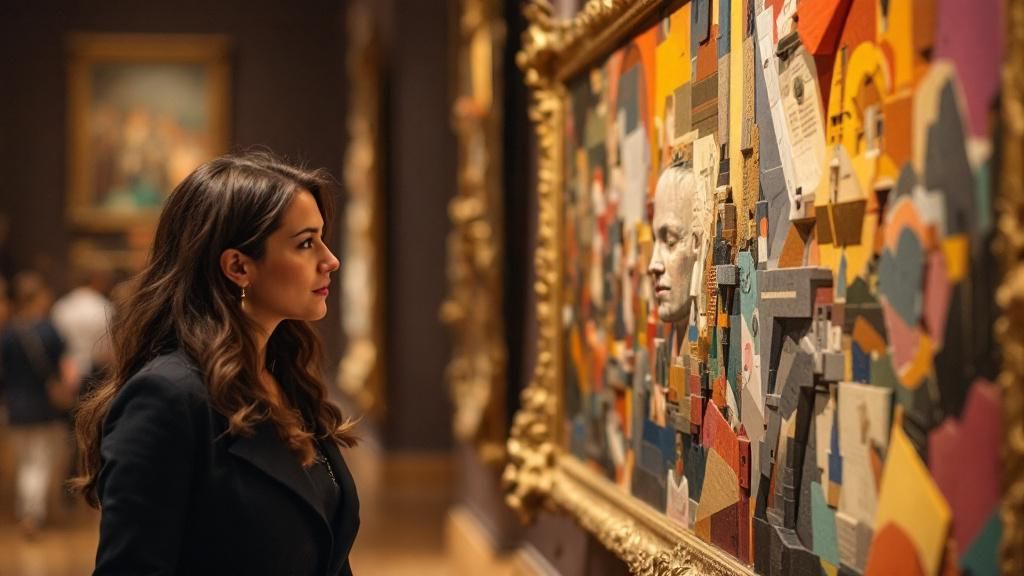
The British Museum has launched an comprehensive new project to safeguard modern creative works for coming generations. In a major dedication to current artistic heritage protection, the organisation has announced substantial funding for advanced conservation projects designed to address the particular issues presented by current creative materials and processes. This calculated allocation underscores the museum’s recognition that modern artworks demand expert attention and knowledge, making certain that contemporary artistic creations stay preserved and accessible for many years ahead.
Growing Conservation Skills
The British Museum’s commitment constitutes a transformative step in developing world-class preservation expertise precisely designed to contemporary art. By creating specialist research facilities and appointing leading specialists in contemporary material analysis, the institution aims to create a extensive information repository confronting the distinctive conservation demands created by current artistic pieces. This development will permit conservators to apply advanced methodologies whilst upholding strict moral principles, ensuring that creative modern methods are safeguarded with the same meticulous care historically provided to historical artefacts and treasures.
Central to this programme is the engagement of highly skilled conservators with expertise in contemporary artistic disciplines and unconventional materials. The museum acknowledges that contemporary artists often engage with plastics, synthetic compounds, digital components, and mixed media that present unprecedented conservation issues. By assembling a diverse team of specialists, the British Museum will become a prominent expert in present-day artistic preservation, attracting talented professionals from across the globe and developing collaborative alliances with other leading bodies committed to safeguarding modern cultural heritage.
Furthermore, the programme features comprehensive training schemes intended to develop the next generation of heritage specialists. Through apprenticeships, internships, and university collaborations with universities, the British Museum will confirm that contemporary art conservation expertise stays current and progressive. This dedication to staff advancement ensures that future conservators possess the specialised knowledge required to tackle contemporary preservation demands, ultimately enhancing the museum’s ability to protect and maintain contemporary artworks for the foreseeable future.
Strategic Initiatives and Budget Distribution
The British Museum’s funding allocation demonstrates a transformative approach to current artwork conservation, with committed funds channelled into establishing state-of-the-art infrastructure and appointing expert personnel. This strategic investment emphasises research into novel preservation approaches, tackling the distinctive challenges presented by modern materials including digital formats, man-made polymers, and mixed-media installations. The financial framework supports sustainable, long-term development of preservation expertise whilst maintaining the museum’s dedication to audience participation and learning initiatives.
Partnership Development
Strategic partnerships constitute the cornerstone of the British Museum’s preservation approach, promoting knowledge exchange with prominent global organisations and research facilities. Through strategic alliances with academic institutions and conservation specialists, the museum strengthens its specialist knowledge and access to emerging technologies. These partnerships facilitate collaborative training schemes, enabling conservators to acquire advanced skills in treating contemporary artworks. The collaborative framework bolsters the broader conservation sector, promoting uniform conservation practices across museums globally whilst guaranteeing the British Museum stays at the leading edge of modern art conservation.
The museum has developed structured partnerships with leading conservation laboratories and university departments, fostering strong connections for exchanging research findings and procedural advances. These partnerships go further than traditional museum boundaries, incorporating working relationships with artists, technology specialists, and material scientists. Such interdisciplinary collaboration ensures preservation methods stay attuned to changing creative methodologies and emerging material challenges. The partnerships also facilitate access to advanced tools and specialist knowledge previously unavailable within individual institutions, significantly enhancing conservation capacity and capability.
- Collaborative research initiatives with prominent academic institutions and conservation centres
- Information exchange partnerships with worldwide museums and heritage organisations
- Training programmes established collaboratively with expert conservation practitioners
- Technical collaborations with digital conservation and preservation experts
- Artist involvement initiatives guaranteeing modern viewpoints shape conservation methodology
The partnership framework demonstrates the museum’s commitment to building sustainable conservation infrastructure supporting the entire arts community. By cultivating collaborative relationships, the British Museum contributes to developing a comprehensive support network for modern art conservation. These partnerships yield valuable research outcomes, extensively shared within research and professional networks, advancing preservation methods. The collaborative approach secures funds are allocated wisely whilst optimising beneficial outcomes across multiple institutions and geographic regions.
Emerging Influence and Sector Direction
The British Museum’s commitment to modern artwork preservation establishes a novel precedent for heritage organisations across the United Kingdom and beyond. By pioneering cutting-edge conservation techniques, the museum operates as a key voice in managing the changing challenges of contemporary art forms. This dedication will undoubtedly influence how fellow museums approach their own preservation methods, fostering a collaborative approach to safeguarding contemporary works that surpasses established sectoral divides and encourages knowledge sharing within the heritage sector.
The programme’s ripple effects will extend throughout the global heritage sector, setting precedents for best practice in managing contemporary mediums. The British Museum’s knowledge and capabilities will allow smaller institutions and emerging museums to benefit from pooled expertise and practical support. Furthermore, this undertaking shows that funding for preservation facilities generates significant benefits, not merely in terms of artwork preservation but additionally through improving institutional profile and attracting both resources and capable specialists dedicated to modern art care.
Looking ahead, the British Museum’s financial support will reshape how society appreciates and safeguards modern creative work. By implementing comprehensive curatorial protocols now, the institution ensures that those who follow will be left with a complete archive of twenty-first century creativity. This forward-thinking approach underscores the museum’s purpose as custodian of human cultural achievement, whilst also fostering a broader conversation about our mutual duty to safeguard the creative heritage that shapes our modern age.
